
Clinical Testing
Definitive answers for treatment decisions: what patients have actually taken, how they will metabolize prescribed medications, and what is causing an infection.
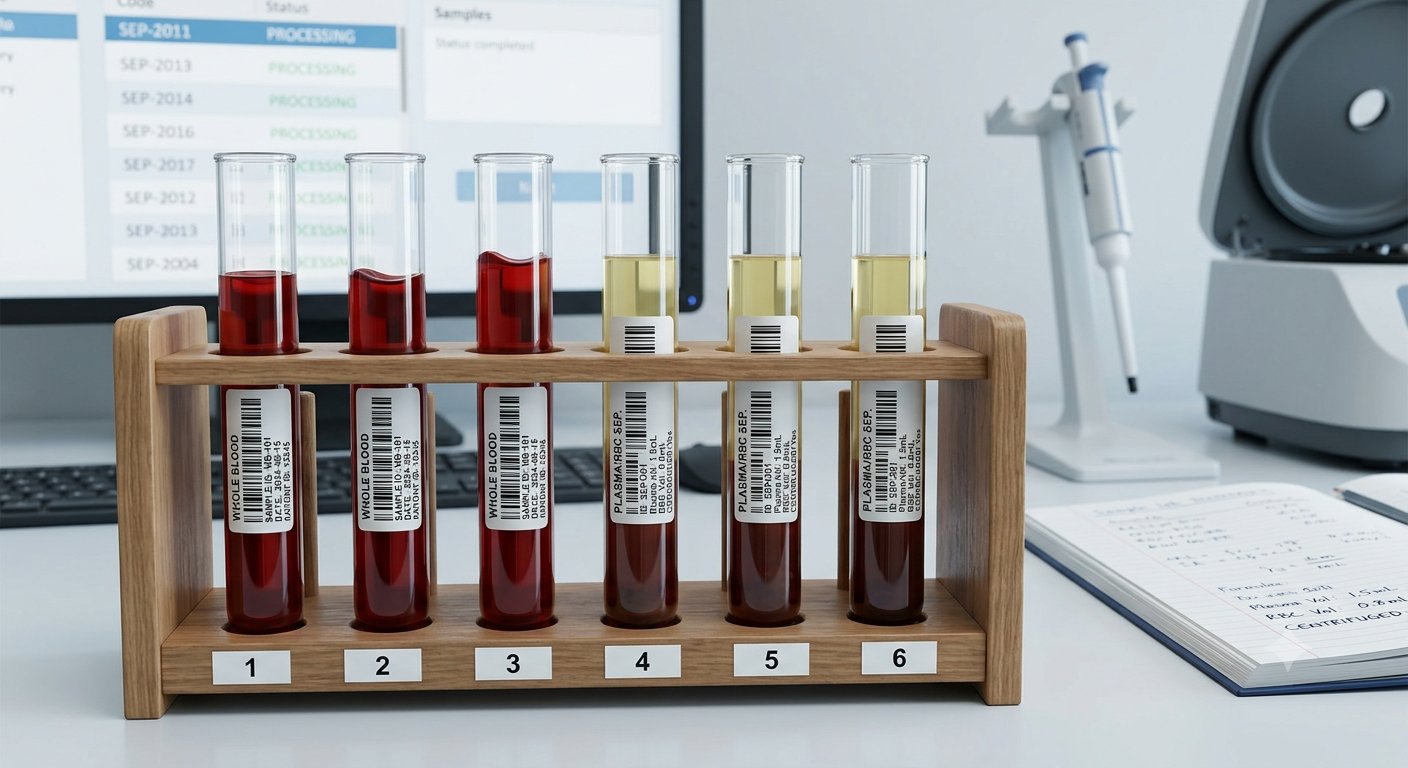
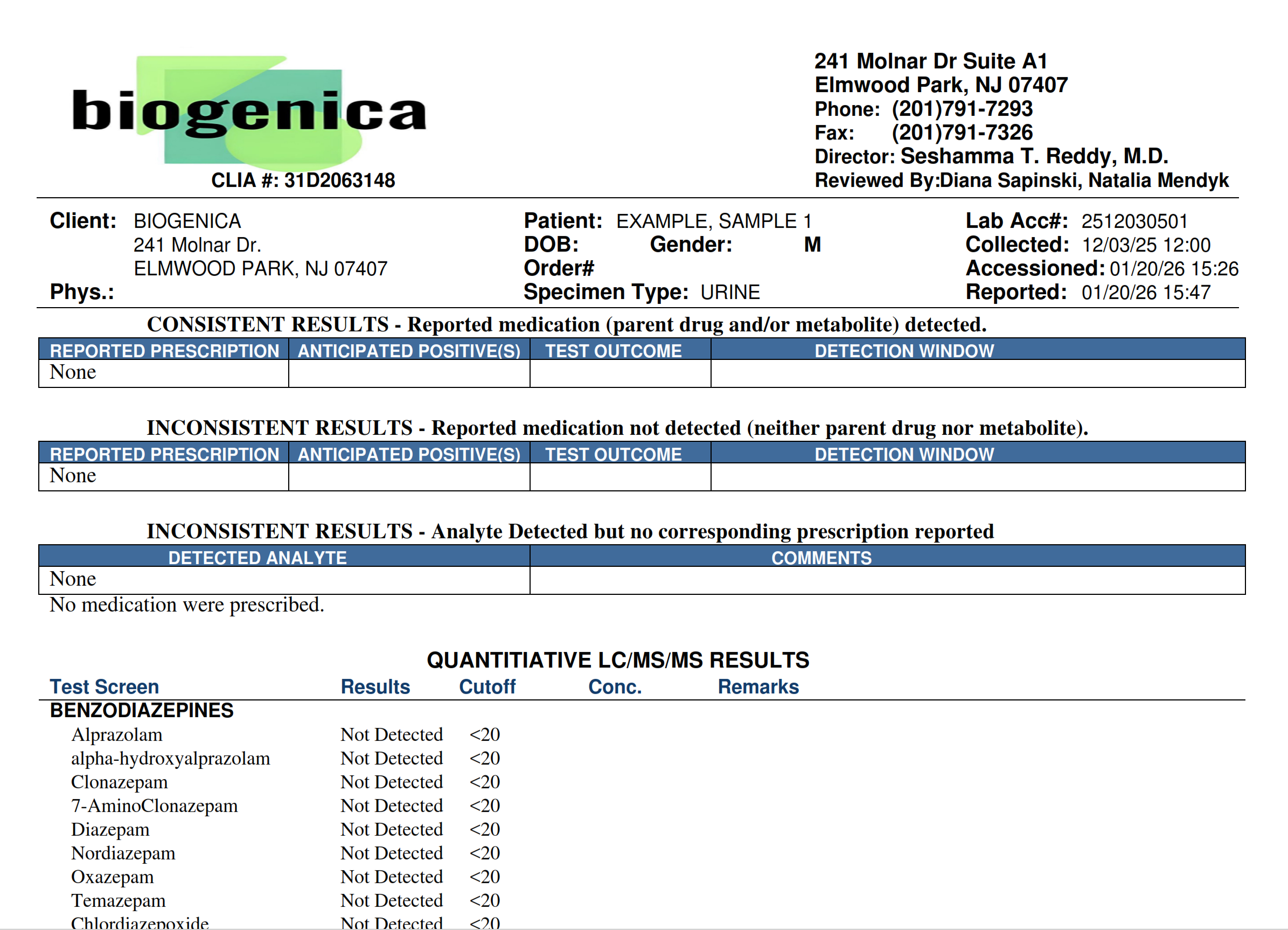
Toxicology
Confirmation testing that tells a prescriber what a patient has actually taken, not what a screen guessed at. Used to verify medication compliance, identify drug interactions, detect diversion, and confirm a therapeutic response.
- Method
- Liquid chromatography with tandem mass spectrometry (LC-MS/MS)
- Specimens
- Urine Drug Testing, Oral Fluid Drug Testing
Molecular Testing
Molecular diagnostics that inform treatment decisions, not merely describe results: inherited risk, how patients metabolize medications, and pathogen identification with resistance markers.
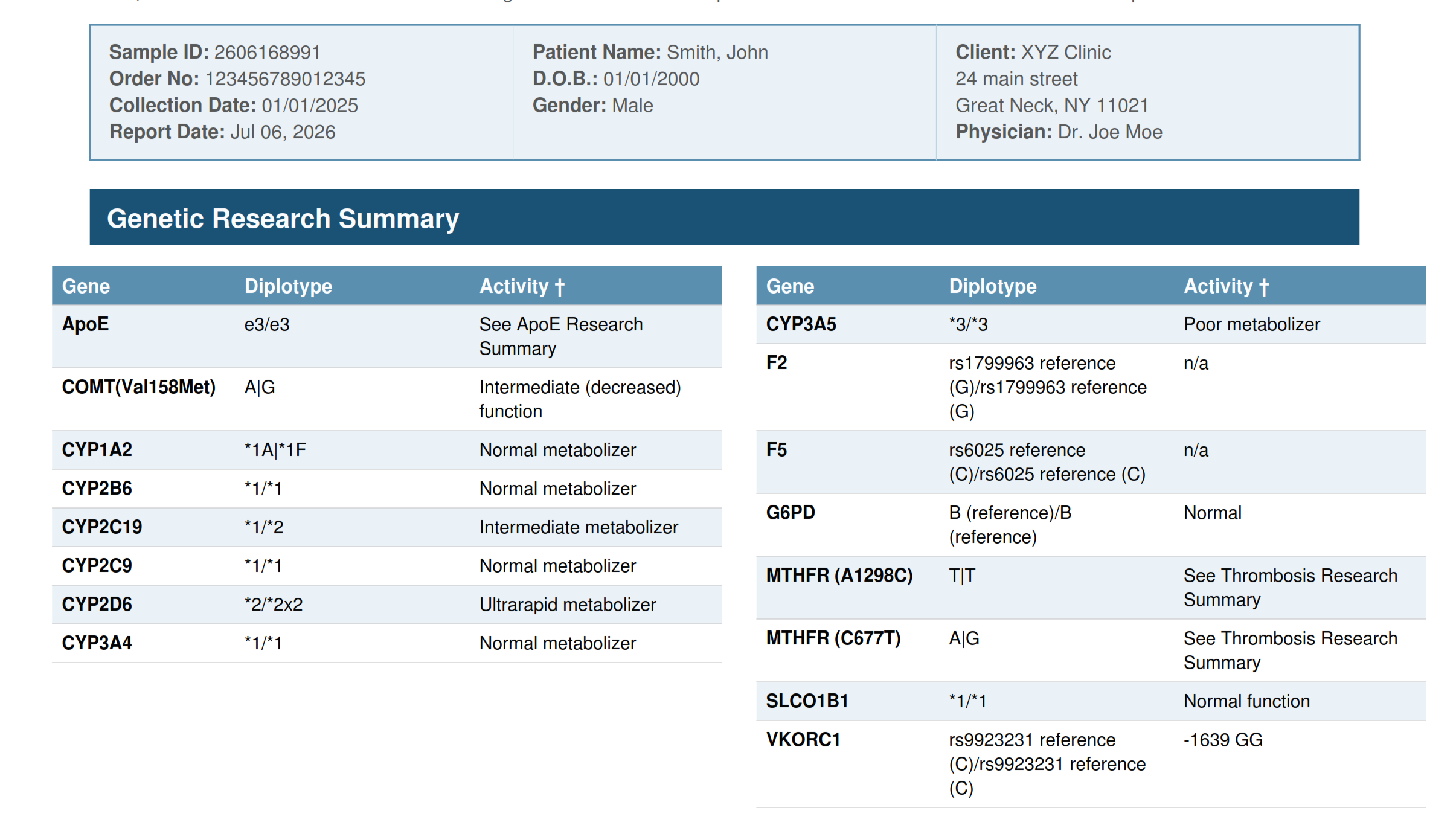
BiogeneGx
Germline genetic testing.Hereditary Cancer Genetics
CGxIdentifies patients at increased risk of cancer due to hereditary factors, so surveillance can start before disease does.
Pharmacogenetics
PGxReports how a patient's genotype affects their response to medication, with emphasis on pain, psychiatric and cardiovascular therapy.
Parkinson's, Alzheimer's and Dementia
PADGenetic markers associated with neurodegenerative disease, to support earlier and better-targeted treatment decisions.
BiogeneDx
Infectious disease identification by PCR.Respiratory Pathogen Panel
RPPIdentifies the organism behind a respiratory infection, distinguishing viral from bacterial causes.
Urinary Tract Infection
UTIOrganism identification with antibiotic resistance markers, for cases culture leaves unresolved.
Wound Testing
WoundPathogen and resistance profiling for chronic and non-healing wounds.
Your ordering and results have not moved.
Requisitions, supply requests and patient results continue through the same system your practice already uses. This site is informational.